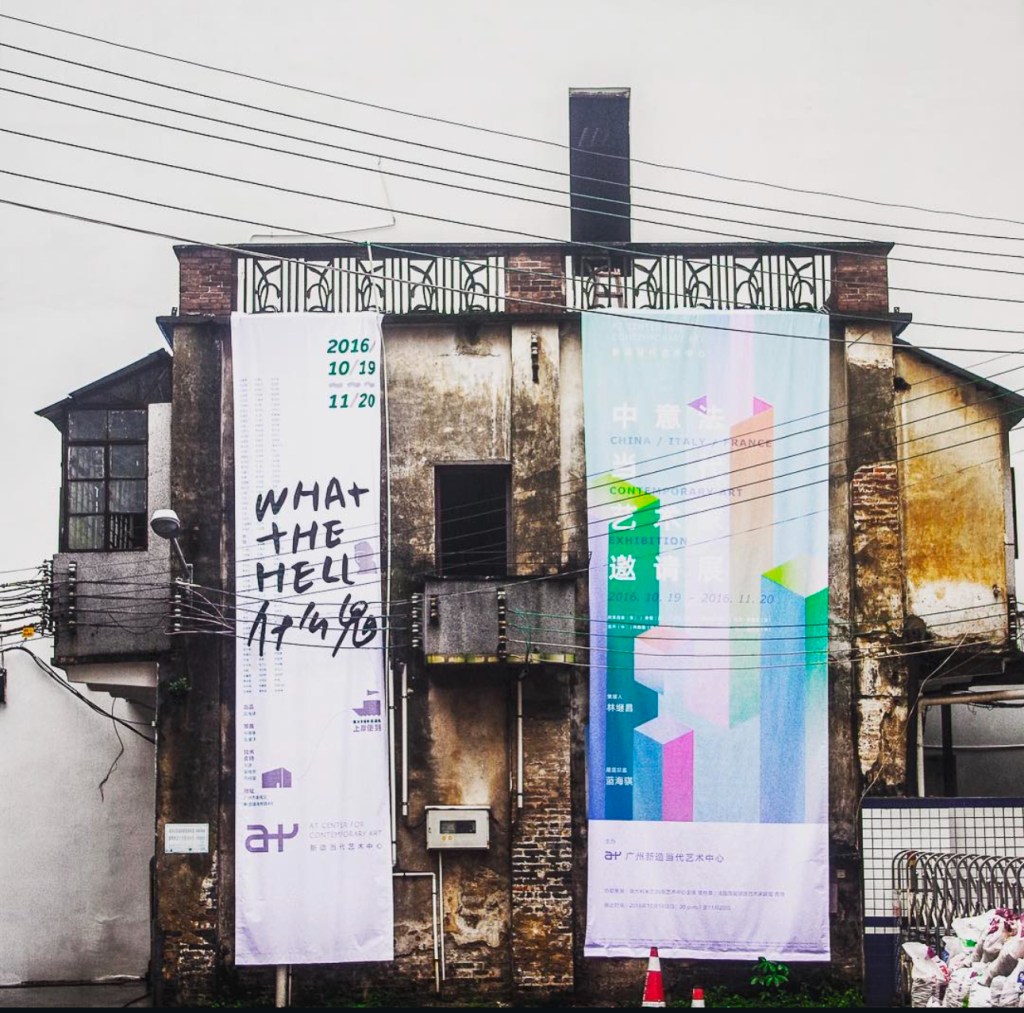
In traditional exhibition models, it’s often necessary to define the nature of the exhibition clearly so the audience can easily understand what kind of event it is—is it a fair, an expo, an art exhibition, a design show, or a student showcase? I remember when I was just starting out and learning how to curate exhibitions, experienced mentors often reminded me of the importance of providing a clear definition. However, when Xia Shanshan and I discussed the kind of exhibition we wanted to initiate this time, we found ourselves in an awkward position.
If we call it an art exhibition, then what is art? This is a question the academic world has debated for hundreds of years without reaching a conclusion. So, casually labeling this as an “art exhibition” would be imprecise. If we were to call it an experimental exhibition, it doesn’t feel quite experimental enough. It’s worth noting that the term “experimental art” itself is problematic—many artists engaged in so-called “experimental art” don’t acknowledge their work as such. Moreover, most of the participants in this exhibition wouldn’t even be considered as “artists.”
They are primarily university students or recent graduates, including some who have studied abroad. One of them, a recent graduate from overseas, even explicitly told me that they are not an artist. So, is this a student showcase? Yes and no. On one hand, many of the works are indeed outcomes of my and Xia Shanshan’s teaching exploration at the Guangzhou Academy of Fine Arts, and most of the creators are students. On the other hand, we don’t want to bind them with the “student” label. Instead, we hope they will continue to boldly explore themselves and delve into the mindset of “art.”
We believe that the question of “what is art” isn’t the most important issue. What matters most is that students grasp the methods to construct their self-identity and core values, regardless of whether they eventually become artists or not—something that might only happen ten or twenty years down the line. For now, we hope to initiate this exhibition as a platform where their ideas can be further developed through the space provided by “Outer school,” an independent third-party institution. At the same time, we want to facilitate positive engagement and even interaction between the audience and the participants, ultimately helping the latter affirm their commitment to what they do.
This is why Xia Shanshan and I “took the risk” of using What the Hell as the exhibition title.
We are deeply grateful to Mr. Lan Haiqi, director of the AT Space for Contemporary Art, for his immense support of this exhibition. Supporting cultural endeavors in today’s consumer-driven and commercialized society is no easy feat, and backing young people as they explore their ideas is even rarer. I once brought an unnamed professor, a highly influential figure in contemporary art criticism, to visit the AT Space for Contemporary Art. When this professor saw the space, felt the center’s commitment to artistic experimentation, and witnessed the energy of the young participants, they were both thrilled and inspired. They even went out of their way to send me a message over WeChat, encouraging me to never give up on my ideals and to continue supporting young people in unleashing their energy.
Lastly, I want to extend my gratitude to the participants in our courses and to our technical supporters—Deng Yuan from the School of Visual Arts and Design at the Guangzhou Academy of Fine Arts, as well as Liang Xiaoliang and Su Chunxuan from the School of Art and Design at South China University of Technology.











 Steven Dragonn